Timing matters a lot on the Tour du Mont Blanc: high passes, fast-changing alpine weather, and the availability of huts and services all hinge on the season. So, when is the best time to lace up for the TMB?
The best times to hike
Mid-June to mid-September (recommended)
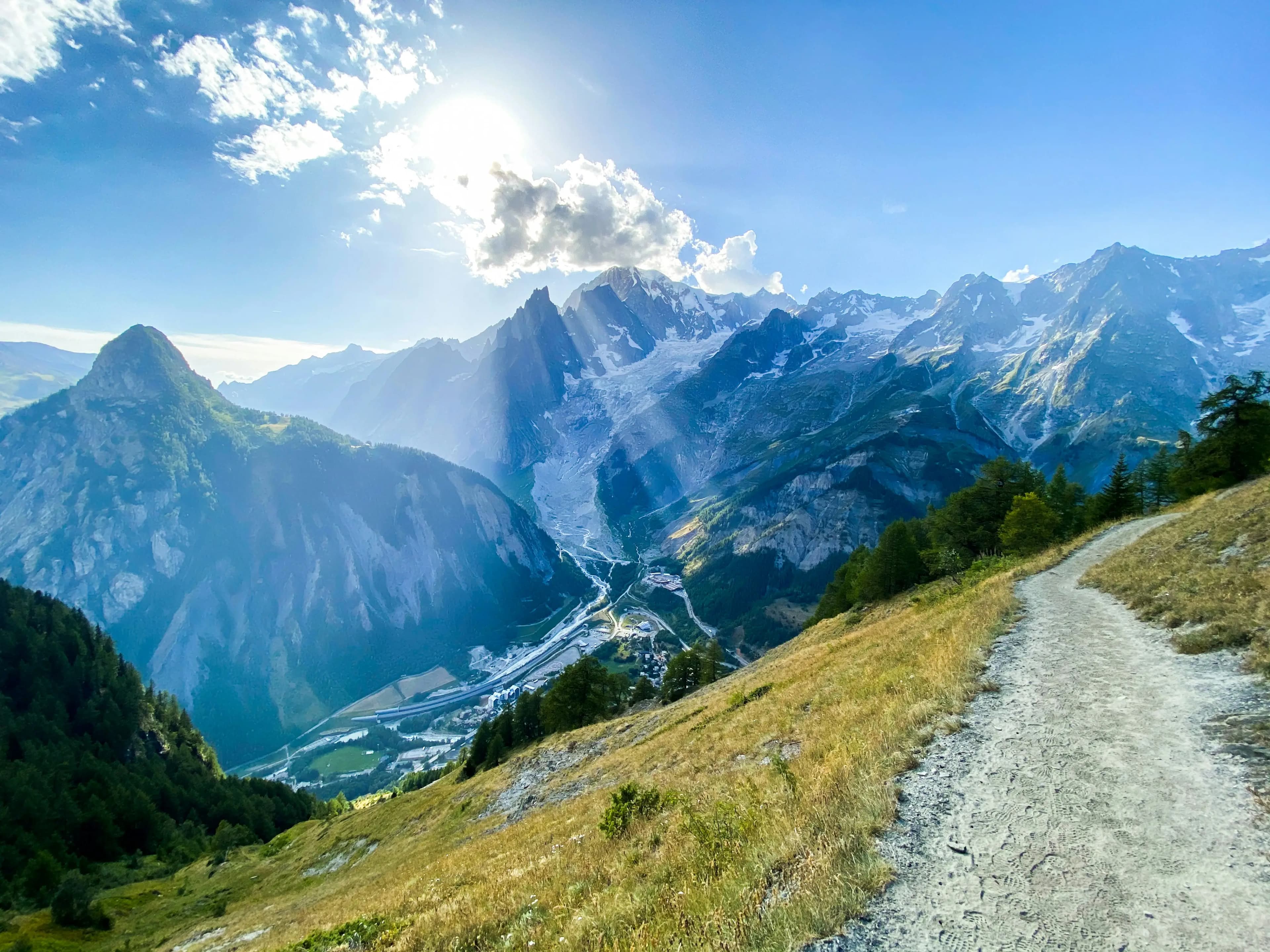
This is the prime window for safety and simplicity. Snow has usually melted off the big passes like Col de la Seigne and Grand Col Ferret, and you don’t need technical mountaineering skills to cross them. All refuges, hotels, and restaurants are open, so you have reliable food, water, and even baggage transfers. Weather is at its most stable with long daylight hours and valley temps around 15-25°C, which makes it easy to start early, take breaks, and enjoy the scenery.
Mid to late June
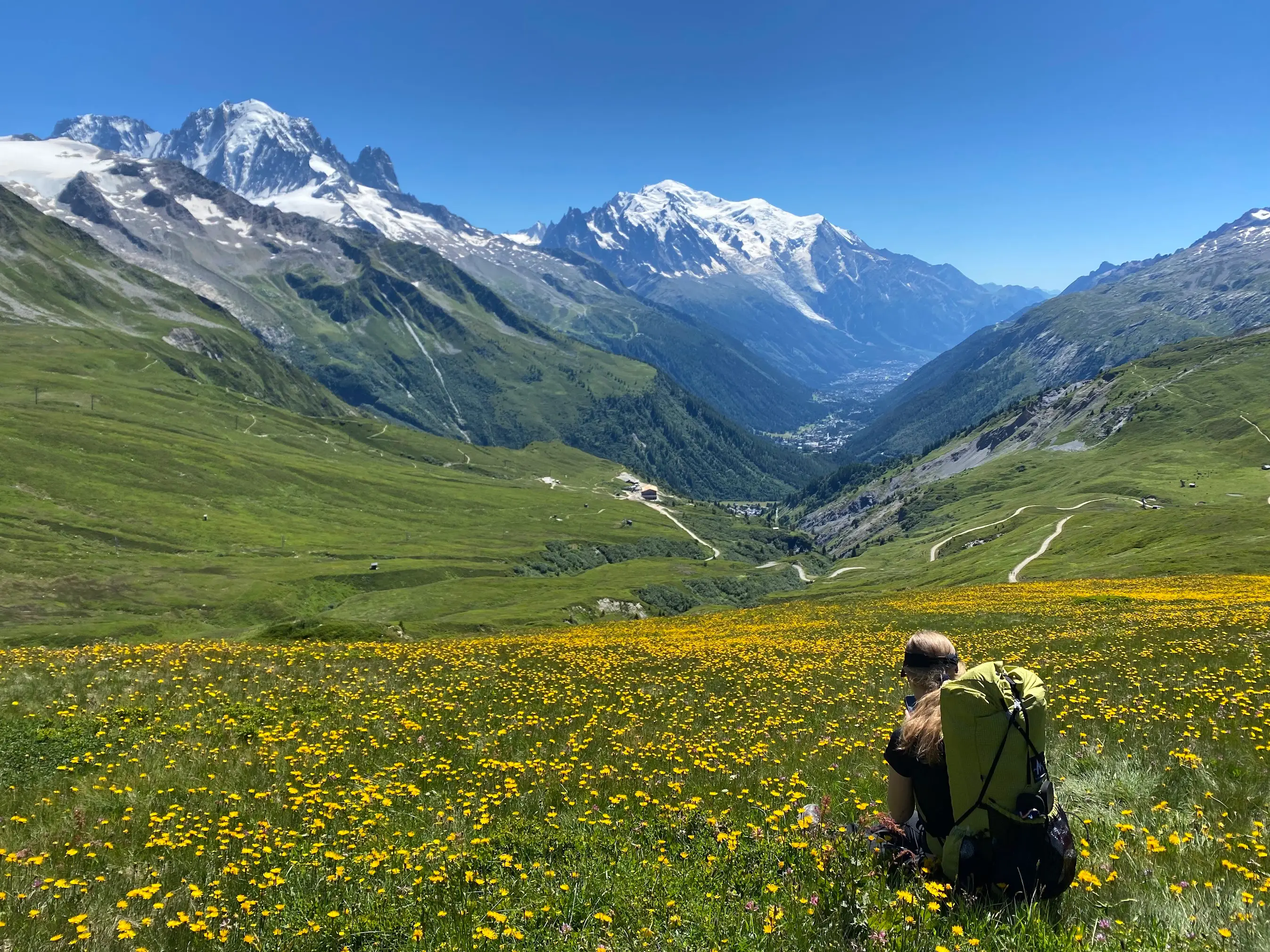
Great if you want fewer people and early-season energy. Expect some lingering snow on the highest sections and a touch more adventure underfoot, but the falls and wildflowers are incredible thanks to snowmelt. Keep an eye on local updates for pass conditions and be ready for a cool morning start.
July
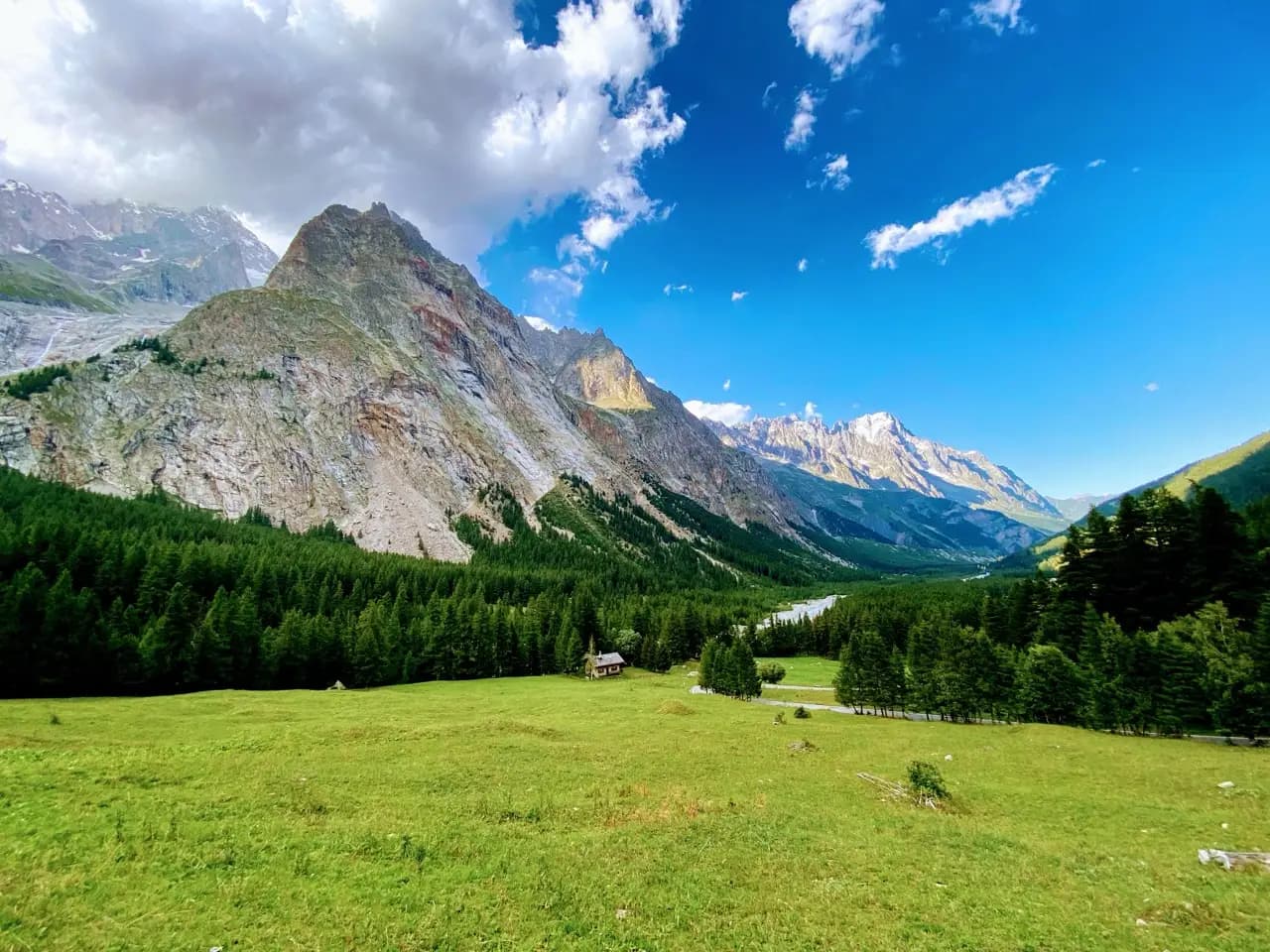
The most balanced month: stable weather, fully operational infrastructure, and plenty of daylight to linger over views without rushing. Trails are lively but not yet at their fullest, and you still get lush green valleys and clear glacier views.
August
Warmest and the most social-every refuge buzzes and you’ll never be far from fellow hikers. Conditions are reliably dry and snow-free, but the trails and huts are busy, so book ahead and start early if you want quieter mornings.
Early to mid-September
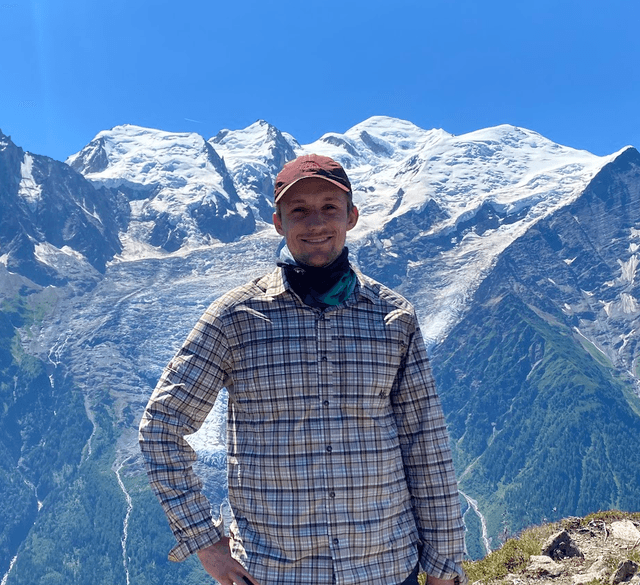
My favorite if you enjoy calmer trails and crisp air. Crowds thin, temperatures cool, and the mountains pick up those golden autumn tones. Infrastructure is still open in early September; just remember that some huts wind down toward the middle of the month, so call ahead. Occasionally you’ll see a light dusting of new snow on the highest peaks, which makes for magic sunrise views.
The times to avoid
October to May: winter mode
Outside the main season the TMB flips to full alpine conditions: heavy snow, closed huts, and short days make the route a serious undertaking. Unless you have proper winter skills, avalanche awareness, and a guide, it’s better to skip this window.
Final thoughts
If you want the safest, easiest experience, aim for late July through early September. For fewer people but still good conditions, mid-to-late June and early September hit the spot. If you love autumn colors and crisp mornings, mid-September is gold. And if you thrive on a lively, social trail vibe, August is your month. Pick your window, pack layers for changing mountain weather, and you’re set for a standout TMB adventure.